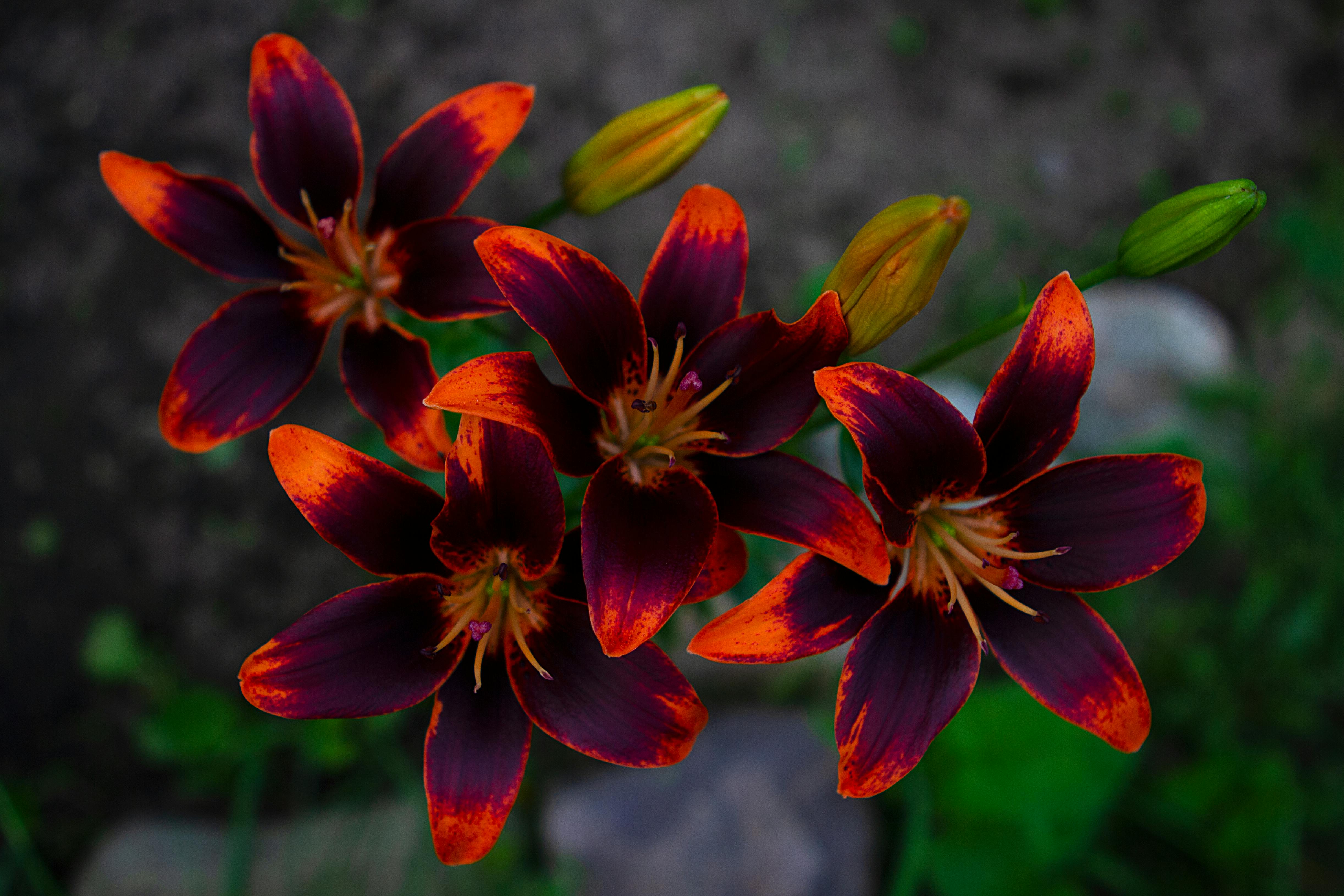
Daylilies are often called the “perfect perennial,” and one of the main reasons is their astonishing diversity. With thousands of cultivars available, these flowers can transform a garden into a living rainbow. From fiery oranges and reds to delicate pastels and near-whites, daylilies offer a palette that rivals any painter’s imagination. Their variety extends beyond colour alone, encompassing different shapes, sizes, and blooming habits.
This article explores the dazzling spectrum of daylilies, highlighting their colours, forms, and the ways gardeners can use them to create unforgettable displays.
If you are looking for high quality daylilies to buy online click here.
The Expanding Colour Spectrum
The earliest daylilies were limited to shades of yellow and orange. These traditional hues remain popular, but hybridisation has dramatically expanded the range. Today, gardeners can choose from a spectrum that includes:
- Reds and Burgundies: Bold and dramatic, these cultivars add intensity to borders and pair beautifully with contrasting greens.
- Purples and Lavenders: Cool-toned varieties bring elegance and depth, especially when combined with silver-leaved plants.
- Pinks and Pastels: Soft and romantic, these shades are ideal for cottage gardens or mixed perennial beds.
- Near-Whites and Creams: These cultivars glow in evening light and provide a calming contrast to brighter flowers.
- Bi-Colours and Patterns: Many modern hybrids feature eye zones, halos, or contrasting throats, creating striking visual effects.
Although true blue daylilies do not exist, hybridisers continue to experiment, and some cultivars approach bluish tones in certain lighting. This ongoing innovation ensures that the colour range of daylilies continues to expand.
Shapes and Forms
Colour is only part of the story. Daylilies also come in a variety of shapes and forms that add texture and interest to the garden.
- Single Blooms: The classic form, with six petals arranged in a star-like shape.
- Double Blooms: Extra petals create a fuller, more layered appearance.
- Spider Forms: Long, narrow petals give these flowers a spidery elegance.
- Unusual Forms: Twisted, curled, or cascading petals add drama and uniqueness.
- Miniatures: Smaller blooms that are perfect for edging or container planting.
- Large-Flowered Varieties: Some cultivars boast blooms over eight inches across, making them true focal points.
This diversity allows gardeners to design with both colour and form in mind, creating plantings that are as dynamic as they are beautiful.
Blooming Seasons and Repeat Flowering
Another way to enjoy variety is through bloom time. Daylilies are classified as early, mid-season, or late bloomers. By combining cultivars from each category, gardeners can extend the display for months. Some modern hybrids are “rebloomers,” producing a second flush of flowers later in the season. This means that with thoughtful planning, a garden can showcase daylilies from late spring until the first hints of autumn.
Designing with Daylilies
The sheer variety of daylilies makes them versatile design tools. Here are a few ways to use them effectively:
- Colour Themes: Choose cultivars that match or contrast with your overall garden palette. For example, warm reds and oranges create a fiery border, while cool purples and creams evoke a sense of calm.
- Mass Plantings: Large groups of a single cultivar create bold sweeps of colour that can be seen from a distance.
- Mixed Borders: Combine daylilies with perennials like echinacea, phlox, or ornamental grasses for layered interest.
- Containers: Miniature varieties thrive in pots, bringing colour to patios and balconies.
- Evening Gardens: Pale or near-white cultivars glow in low light, making them perfect for spaces enjoyed at dusk.
Collectors’ Delight
For many gardeners, daylilies become more than just plants. They become a passion. With so many cultivars available, collecting daylilies can be an endlessly rewarding hobby. Some enthusiasts focus on a particular colour family, while others seek out unusual forms or rare hybrids. Daylily societies and clubs exist around the world, offering opportunities to share knowledge, trade plants, and celebrate new introductions.
The Work of Hybridisers
The incredible variety of daylilies is the result of decades of dedicated work by hybridisers. By carefully crossing different cultivars, they have created flowers with new colours, patterns, and forms. Each year, new introductions are released, adding to the already vast selection. Hybridisers often aim for specific goals, such as deeper purples, larger blooms, or improved reblooming habits. Their efforts ensure that the world of daylilies remains dynamic and exciting.
Choosing the Right Variety
With so many options, choosing daylilies can feel overwhelming. A few tips can help narrow the selection:
- Consider Your Climate: Some cultivars perform better in certain regions. Check whether a variety is evergreen, semi-evergreen, or dormant, depending on your winters.
- Think About Bloom Time: Select a mix of early, mid, and late bloomers for a long season of colour.
- Match to Your Design Goals: Decide whether you want bold focal points, soft background colour, or a mix of both.
- Start Small: Begin with a few reliable cultivars, then expand as you discover your preferences.
The Emotional Impact of Colour
Beyond their horticultural qualities, daylilies also affect how we experience a garden emotionally. Bright oranges and reds energise a space, while soft pastels create a sense of calm. Purples and deep burgundies add sophistication, and near-whites bring light and serenity. By choosing daylilies thoughtfully, gardeners can shape not only the look of their gardens but also the mood they evoke.
Conclusion
Daylilies are more than just flowers. They are a celebration of colour, form, and variety. With thousands of cultivars available, they offer endless possibilities for gardeners to express creativity and design spaces that reflect their personal style. Whether you prefer bold, dramatic hues or gentle, romantic pastels, there is a daylily to suit every taste.
By exploring the rainbow of daylilies, you can transform your garden into a living canvas, one that changes and evolves with each bloom. These remarkable plants remind us that beauty comes in many forms, and that variety is one of the greatest gifts a garden can offer